





Dawn Town
Published October 17, 2026
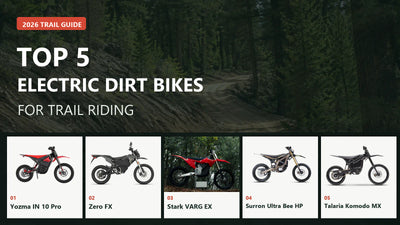
The best electric dirt bike for trail riding depends on where you ride and how much motorcycle you want to manage. A compact bike can be easier to place through tight turns; a full-size enduro machine gives experienced riders more suspension, range options, and speed. These five picks cover both ends of that spectrum. The Yozma IN 10 Pro is the approachable choice for shorter riders and weekend off-road routes, while the Stark VARG EX is built for serious enduro terrain. Before buying, confirm that your intended trail permits motorized motorcycles, not just pedal-assist e-bikes.
Quick picks
- Best compact trail choice: Yozma IN 10 Pro, with a 30.7-inch seat and manageable 143 lb listed weight.
- Best road-to-trail crossover: Zero FX, for riders who need a street-legal dual-sport and have the required license.
- Best full-size enduro: Stark VARG EX, with adjustable power and enduro-focused suspension.
- Best lightweight high-output option: Surron Ultra Bee HP, a 195 lb off-road machine with a removable battery.
- Best technical-terrain performance: Talaria Komodo MX, with 21/18-inch wheels and 315 mm ground clearance.
Electric Dirt Bikes for Trail Riding Comparison
| Bike | Best fit | Battery | Listed weight | Trail factor | Suitable rider height (approx.) | Price (USD) |
|---|---|---|---|---|---|---|
| Yozma IN 10 Pro | Compact routes | 60V 27Ah | 143 lb | 17/14 in wheels; low seat | 56–76 in; 30.7 in seat | $1,799 |
| Zero FX | Road + dirt | 7.2 kWh max | 289 lb | 8.6 in front travel | 67 in+; 34.7 in seat | $12,495 |
| Stark VARG EX | Full-size enduro | 7.2 kWh | 264 lb | Adjustable output; crawl mode | 71 in+; 38–39 in seat | From $12,900 |
| Surron Ultra Bee HP | Agile off-road | 74V 60Ah | 195 lb | 19/18 in off-road tires | 69 in+; 35.8 in seat | $6,499 to $7,499 |
| Talaria Komodo MX | Technical terrain | 97.2V 45Ah | 216 lb | 21/18 in wheels; 315 mm clearance | 69 in+; 35.8 in seat | $5,199 and $6,499 |
What matters on a trail
Start with fit and control rather than advertised top speed. Seat height, weight, throttle response, and wheel size determine how confidently you can stop, turn, and recover a bike on uneven ground. A smaller 17/14-inch setup is easier to manage in tight spaces, while 21/18-inch wheels roll over roots and rocks more readily. Check suspension travel and adjustability if your routes have repeated bumps or drops.
Plan range conservatively. Claimed mileage is usually measured under controlled conditions; climbing, soft soil, cold weather, rider weight, and aggressive acceleration can reduce it sharply. Choose a turnaround point with reserve battery, and check charging access before a long loop. Riders comparing smaller machines can also review lightweight electric dirt bikes.
1. Yozma IN 10 Pro – Best compact electric dirt bike for trail riding
The IN 10 Pro combines a relatively low seat with off-road tires, hydraulic brakes, and three ride modes. It is a sensible starting point for riders who want an electric dirt bike for trail riding on private land or permitted motorized routes without stepping straight into a full-size enduro motorcycle.
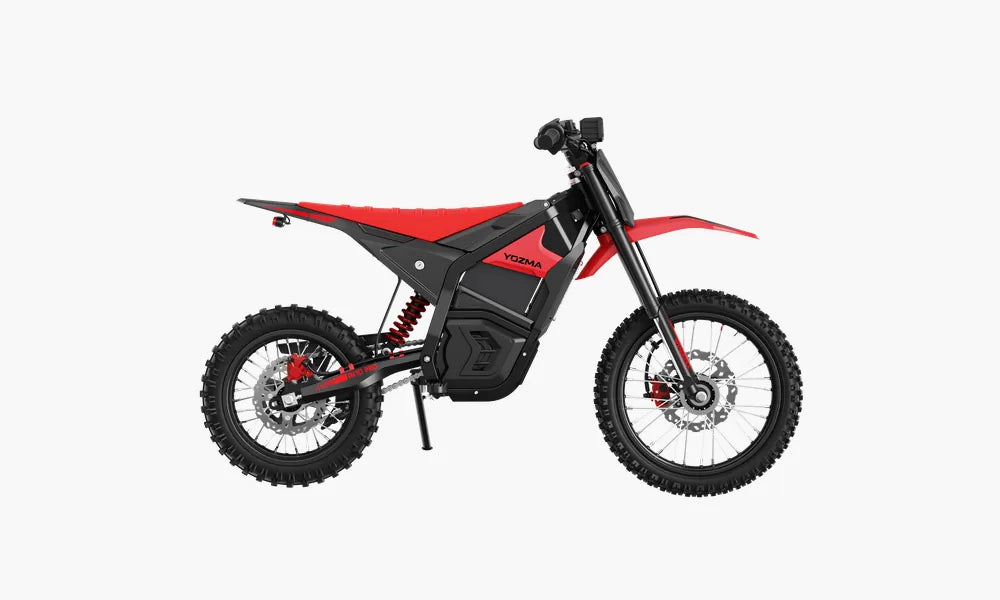
Key specs: 60V 27Ah battery; 5,500W peak motor; up to 50 mph; up to 60 miles claimed range; 143 lb; 30.7-inch seat; 17-inch front and 14-inch rear wheels.
Why it works on trails: Its shorter wheelbase and lower seat can make slow, winding trails less intimidating. The inverted hydraulic fork and rear shock help on moderate bumps, while the three modes let riders dial back power while learning throttle control. The smaller wheels and lighter chassis favor compact routes over deep ruts and large obstacles.
Best for: Shorter or intermediate riders seeking a compact weekend trail machine who can ride where off-road motorcycles are allowed.
Pros
- Low listed seat height helps with footing at stops.
- 143 lb listed weight is easier to maneuver than the full-size bikes here.
- Hydraulic brakes and selectable modes support controlled riding.
- Useful claimed battery capacity for a compact bike.
Cons
- 17/14-inch wheels offer less obstacle rollover than 21/18-inch setups.
- Off-road only; do not assume access to streets or bicycle trails.
For a broader comparison, browse the electric dirt bike collection. Get the IN 10 Pro for your Halloween ride with a special discount and free gifts!
Yozma IN 10 Pro High-Performance Off-Road Electric Dirt Bike
Add to cart
Learn More
2. Zero FX – Best road-to-trail dual sport
The Zero FX is a different proposition from the compact off-road models: it is a licensed dual-sport motorcycle built to connect paved roads and legal dirt routes. That versatility is valuable when a ride begins at home, although its street equipment and weight make it less inviting in very tight singletrack.
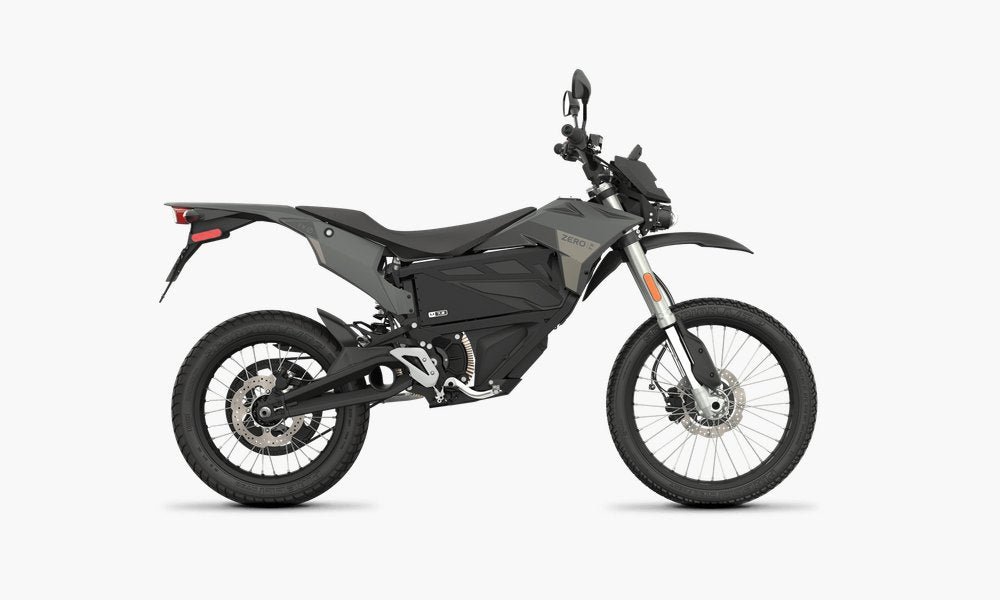
Key specs: Z-Force 7.2 kWh maximum battery capacity; up to 85 mph; 289 lb curb weight; 34.7-inch seat; 8.6 inches of front and 8.94 inches of rear suspension travel.
Why it works on trails: The long-travel Showa suspension and 21-inch front wheel suit broken surfaces and rocky approaches. A road-capable setup also removes the need for a trailer on suitable routes. The tradeoff is mass: picking up or turning around a 289 lb motorcycle on a narrow trail takes effort.
Best for: Licensed adults who mix road travel with maintained dirt roads and moderate motorized trails.
Pros
- Can link legal street segments and dirt routes in one ride.
- Substantial suspension travel for mixed terrain.
- Large battery for a dual-sport, subject to route and riding style.
Cons
- Much heavier than the Yozma and Ultra Bee HP.
- Road-oriented tires may need changing for sustained loose or muddy terrain.
- Requires appropriate registration, insurance, and motorcycle licensing where applicable.
3. Stark VARG EX – Best full-size electric enduro
For riders who already know full-size enduro bikes, the VARG EX offers the most serious trail platform in this list. Stark pairs a 7.2 kWh battery with programmable power delivery and a chassis intended for demanding off-road riding. It should be judged as a high-performance motorcycle, not a beginner e-bike.
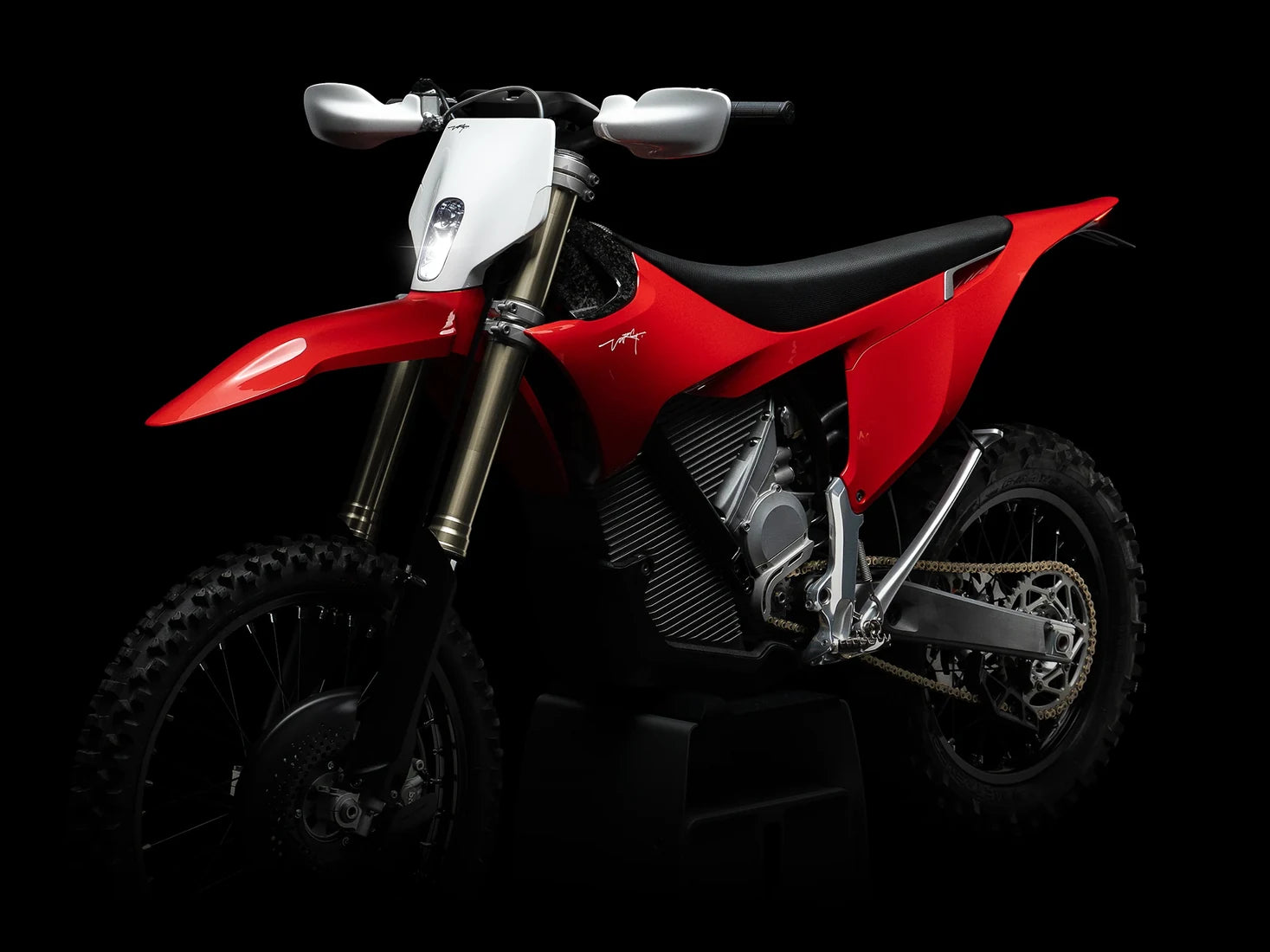
Key specs: 7.2 kWh battery; up to 80 hp configuration; 264 lb listed weight; manufacturer-estimated riding time varies from under 2 hours to about 6 hours by pace and terrain.
Why it works on trails: Power mapping lets experienced riders soften delivery for slippery climbs and increase it for open sections. Crawl mode moves the bike slowly forward or backward, which can help on awkward turnarounds. Its full-size stance and suspension are better suited to rough terrain than the small-wheel choices, but the weight and price demand commitment.
Best for: Experienced enduro riders who prioritize suspension, tuning, and technical capability.
Pros
- Wide range of adjustable power settings.
- Crawl and reverse functions help with tight maneuvering.
- Large battery and enduro-focused chassis for demanding routes.
- Manufacturer publishes riding-time examples by riding intensity.
Cons
- Premium purchase price.
- 264 lb is substantial when lifting a fallen bike.
- The six-hour figure applies only to favorable low-intensity use; hard riding can be far shorter.
4. Surron Ultra Bee HP – Best agile high-output trail bike
The 2026 Ultra Bee HP occupies the middle ground between a compact play bike and a full-size enduro. At a listed 195 lb, it is easier to place through a winding line than the Zero or Stark, yet its 24.5 kW turbo peak and adjustable suspension make it a serious off-road motorcycle.

Key specs: 74V 60Ah removable battery; 24.5 kW turbo peak; up to 59 mph; 195 lb curb weight; 35.8-inch seat; 19-inch front and 18-inch rear off-road tires.
Why it works on trails: The combination of off-road tires, roughly 9.5 inches of front travel, and adjustable suspension suits rocky or rutted routes. Eco, Daily, Sport, and Crawl modes give a useful spread of throttle response. The removable battery helps when charging away from the bike, although carrying a large pack is still a physical job.
Best for: Intermediate and advanced riders who want strong off-road performance without full-size enduro weight.
Pros
- Lower listed weight than most high-output trail motorcycles.
- Selectable modes and adjustable suspension broaden its terrain range.
- Removable battery supports flexible charging.
- 19/18-inch tires improve rough-ground stability over mini-bike wheels.
Cons
- Tall seat may challenge shorter riders.
- High output calls for disciplined throttle control.
- Its 71-mile published range is measured at a steady speed on favorable ground, not technical singletrack.
5. Talaria Komodo MX – Best technical-terrain performance
The Komodo MX is an off-road model aimed at riders who want large wheels, meaningful ground clearance, and rapid acceleration. Its 21-inch front and 18-inch rear wheel combination is familiar from full-size dirt bikes, while the listed 216 lb weight keeps it below the Zero FX and Stark VARG EX.
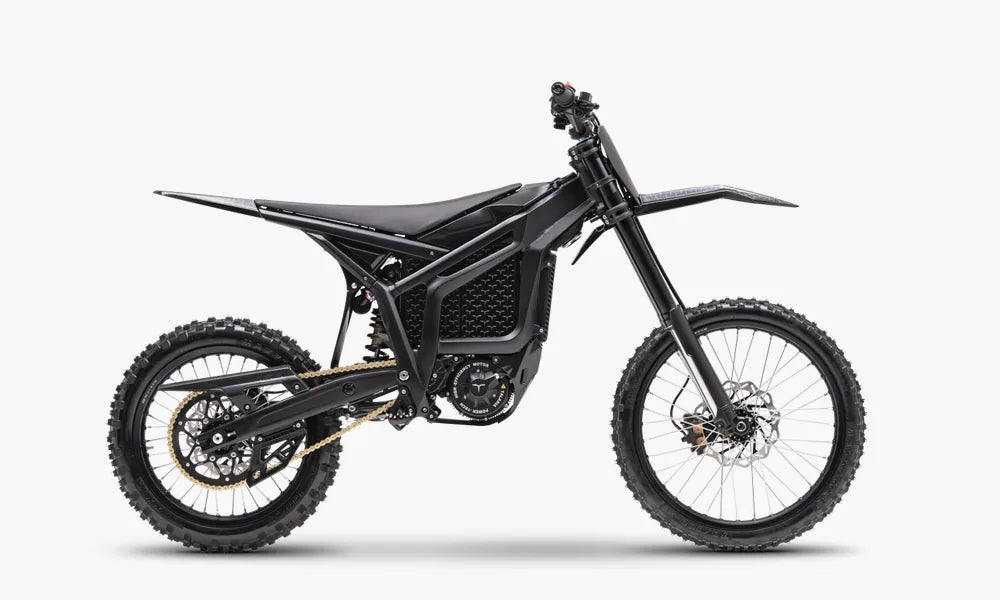
Key specs: 97.2V 45Ah (4,374Wh) battery; 32 kW peak output; 105 km/h (about 65 mph) listed top speed; 216 lb; 910 mm (35.8-inch) seat; 315 mm ground clearance.
Why it works on trails: The large wheels and 315 mm clearance are practical advantages over roots, ledges, and deep trail grooves. Adjustable fork and rear shock settings allow tuning for rider weight and terrain. Talaria’s 115 km range claim is specified at 45 km/h; technical climbs and repeated acceleration will use energy faster.
Best for: Confident riders who ride legal off-road motorcycle trails with frequent obstacles and want a 21/18-inch setup.
Pros
- 21/18-inch wheels and high ground clearance for uneven ground.
- Adjustable suspension and hydraulic disc brakes.
- Strong power with several riding and regeneration modes.
- Published fast-charge capability when equipped appropriately.
Cons
- High seat and rapid acceleration are demanding for beginners.
- MX version has no headlight in Talaria’s listed equipment.
- Brand labels technical figures preliminary; confirm local model configuration before purchase.
How to choose the right bike
For tight, slower routes, the Yozma IN 10 Pro earns its place through fit and lower weight. For travel between home and a legal dirt route, the Zero FX is the practical dual-sport. Choose the Ultra Bee HP when agility matters more than road use; choose the Komodo MX when wheel size and clearance are central; choose the VARG EX when you need full-size enduro suspension and are comfortable with its cost and power.
A lower price can be sensible if your terrain is modest, but verify brake parts, battery support, and local service before buying. Our budget-friendly electric dirt bike guide explores that tradeoff. Riders who need public-road access should check registration rules separately; see the street-legal electric dirt bike guide.
Frequently asked questions
1. Can electric dirt bikes go on trails?
Yes, when the specific trail is open to motorized motorcycles or your private-land permission allows them. A throttle-only electric dirt bike does not automatically qualify for routes reserved for bicycles or Class 1 pedal-assist e-bikes. Check the land manager’s current map, signage, width restrictions, permits, and seasonal closures before riding.
2. Why are e-bikes not allowed on some trails?
Land managers separate motorized, nonmotorized, and e-bike access to manage safety, trail wear, wildlife, and conflicts among users. Rules differ by agency and route. Even where some e-bikes are permitted, a high-power electric dirt motorcycle may be excluded because it is outside the local e-bike class definition.
3. Which electric dirt bike can reach 70 mph?
The Zero FX is listed by its maker at up to 85 mph, and Stark lists the VARG EX at about 80 mph in its manual. Those are maximum-speed figures, not sensible trail speeds. Verify the exact model, configuration, surface, and legal riding location before treating any advertised speed as relevant to a purchase.
4. Is there an electric dirt bike that can go 40 miles an hour?
Yes. The Yozma IN 10 Pro is rated up to 50 mph, while the Surron Ultra Bee HP and Talaria Komodo MX also exceed 40 mph on their published specifications. On a trail, predictable braking, traction, and controllable low-speed power matter more than a 40 mph headline.
Tags
Buying Guide
About the Author
With over 15 years of experience wrenching on and riding everything with two wheels, Ricky lives and breathes dirt bikes. He grew up on the sound and smell of gas engines but has become a passionate advocate for the electric revolution, embracing the instant torque and low-maintenance fun they offer. Ricky combines his technical know-how with a love for teaching, breaking down complex topics into easy-to-understand advice. His mission is to help new riders and families confidently and safely enter the exciting world of off-road riding. When he’s not writing, you’ll find him exploring new trails or building backyard tracks with his kids.